GSA SER Tier 1 Link Building
In the world of automated backlink generation, GSA Search Engine Ranker remains a dominant force. Its power, however, lies not in blasting links directly at a money site, but in a carefully structured layering strategy. At the heart of this approach is GSA SER tier 1 link building—the foundational layer that filters and fortifies low-quality links before they ever touch your primary domain. Understanding how to construct an effective tier 1 system is the single most critical factor separating successful GSA campaigns from those that trigger penalties.
What Exactly Is GSA SER Tier 1 Link Building?
GSA SER tier 1 link building refers to the creation of a high-quality, hand-crafted or semi-automated buffer layer of backlinks that point directly at your money site. Unlike tier 2 or tier 3, which are often fully automated and consist of lower-value links, a tier 1 property is a web 2.0, a social network profile, a premium wiki article, or any indexed page that you control. These tier 1 assets receive all the brute-force link power generated by GSA SER, filter it, and pass on a refined version of that authority to your main site.
Why a Strong Tier 1 Layer Is Non-Negotiable
Search engines have become exceptionally adept at detecting manipulative link patterns. A direct blast of GSA-generated links to a commercial website is a fast track to demotion. GSA SER tier 1 link building solves this problem by introducing an insulating layer. The logic is simple but profound:
- Risk Absorption: If a tier 1 property is deindexed, your money site remains unharmed.
- Contextual Relevance: You can craft a tier 1 article that is perfectly topically related, ensuring the links it receives are cloaked in relevance.
- Authority Amplification: A well-aged, indexed tier 1 page with its own backlink profile passes significantly more strength than a raw GSA link ever could.
The Critical Selection of Tier 1 Platforms
Not all platforms are created equal when acting as a buffer. For an effective GSA SER tier 1 link building setup, you need platforms that are robust enough to withstand aggressive tier 2 link placements without collapsing immediately. The most reliable options include:
- Self-Hosted WordPress Blogs: The gold standard. A domain with a unique IP gives you absolute control and maximum longevity.
- High-Domain-Authority Web 2.0s: Platforms like WordPress.com, Blogger, Tumblr, and Medium (used cautiously) are excellent for absorbing large volumes of links.
- Google Sites: An often-overlooked powerhouse. Being a Google property, it indexes instantly and carries inherent trust.
- Social Proof Profiles: LinkedIn company pages, About.me, and Facebook pages can act as stabilizers in a tier 1 constellation.
Configuring GSA SER for a Premium Tier 1 Strategy
The software itself is just a tool; the configuration dictates success. A flawless GSA SER tier 1 link building hardware setup demands specific settings that prioritize quality over quantity.
Anchor Text Diversification
Your tier 1 must appear completely natural. The anchors pointing to your money site should be dominated by:
- Branded anchors (50% or more)
- Generic anchors (“click hereâ€, “this siteâ€, “read moreâ€)
- Naked URLs
- A strictly controlled sliver of partial-match keywords
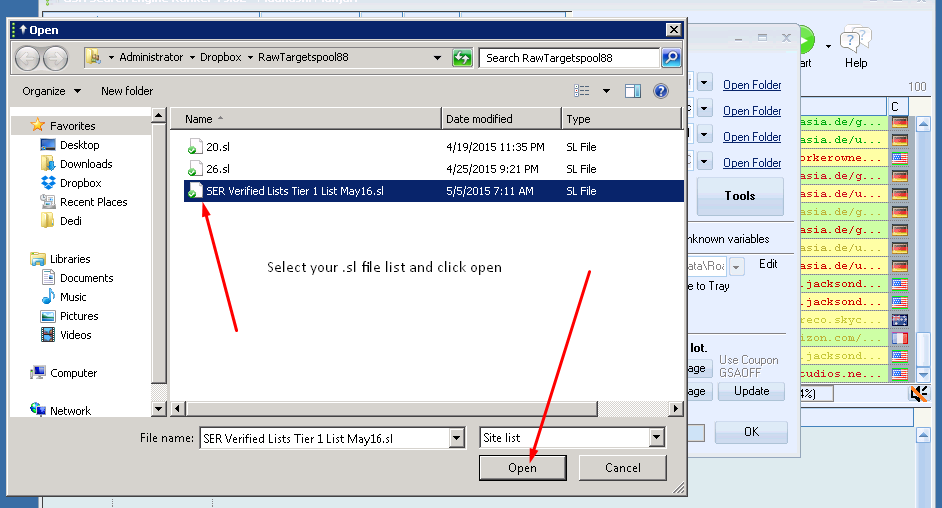
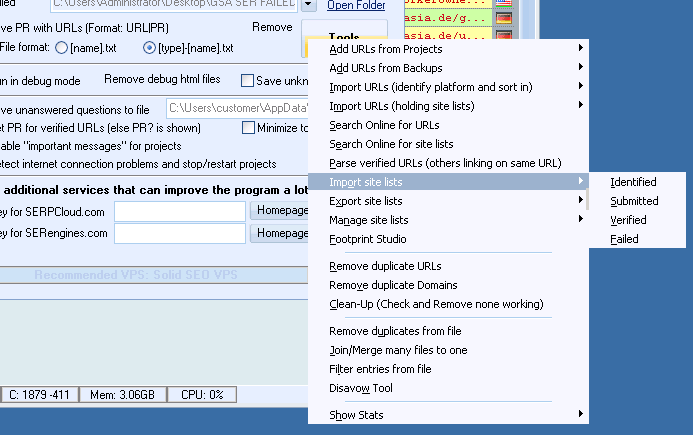
SERVerifiedLists
Content Is the Shield
Never point tier 2 links at a thin or spun page. A tier 1 property must feature readable, high-quality content that a human reviewer would accept. Integrate a relevant image, an embedded video, and an outbound link to an authority source besides your own site. This signals that the page is a genuine resource, not a link farm.
Filtering and Verification
A successful GSA SER tier 1 link building campaign requires rigorous link verification. Configure SER to pause a project if certain metrics drop. Use only tier 2 links that have been verified as indexed, and set strict OBL (outbound link) limits so your tier 1 doesn’t receive links from pages crammed with spam.
Common Pitfalls That Destroy a Tier 1 Layer
Even experienced users can sabotage their own campaigns. When practicing GSA SER tier 1 link building, avoid these destructive errors:
- Direct Linking: Ever. Sending a single GSA link directly to your money site negates the entire tier 1 buffer.
- Aggressive Anchors: Using money keywords to link from tier 1 to your money site is a footprint. Keep it natural.
- Lack of Velocity Randomization: A sudden spike of 500 links to a brand-new tier 1 page is a red flag. Ramp up velocity gradually.
- Neglecting Indexation: A tier 1 that never gets indexed by Google is worthless. Force indexation using indexers, pinging, and social signals before relying on tier 2 power.
Frequently Asked Questions
Is GSA SER tier 1 link building still safe in modern SEO?
Yes, when executed as a buffer system. The danger lies solely in pointing links directly at a site you care about. A well-maintained tier 1 layer that uses high-quality content and natural anchors remains a perfectly safe power-up technique for properties that need to rank quickly for low-competition terms or require an edge in tiered link building.
How many tier 1 properties do I need for one money site?
A stable GSA SER tier 1 link building strategy typically works best with 5 to 15 robust tier 1 properties. Each property acts as a standalone node. Distributing tier 2 power across multiple buffers prevents a single point of failure and creates a more diverse backlink graph.
Can I use expired domains as tier 1 assets?
Absolutely. This is one of the most powerful strategies available. An expired domain with existing backlinks and authority can serve as a super-tier 1. You simply rebuild the site, add a relevant article, and then use GSA SER to power it up further. However, the domain must be topically relevant; otherwise, the power transfer is diluted.
What type of content works best for a GSA tier 1 buffer?
Long-form, informational content works best. A 500 to 700-word article that genuinely explains a concept, includes an embedded video, and links out to a trusted Wikipedia page creates user signals that protect the page from being flagged. Thin affiliate pages perform poorly as tier 1 assets because they lack depth.
How long should I wait before blasting a tier 1 page?
Patience is critical. Allow a new tier 1 property to age for at least one to two weeks. Ensure it is indexed and cached. Apply social signals and a few manual, high-quality backlinks first. Only then begin a slow, gradual drip of GSA SER tier 1 link building power. An aged, trusted page will absorb and channel authority far more effectively than a freshly created URL.